
Supplementary Education for Home Schooling Students
Supplementary Education
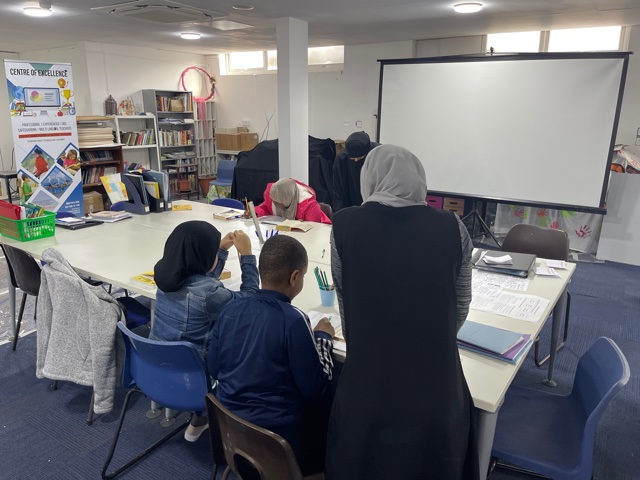
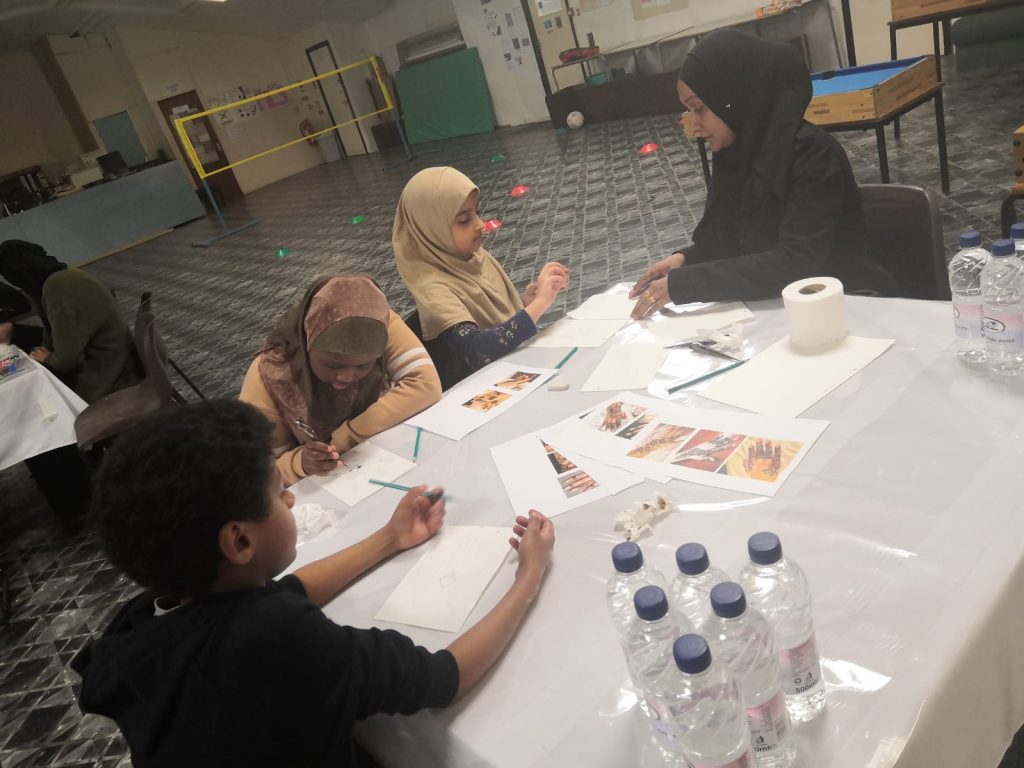
Our Supplementary Education support initiative is exceptional in providing key education for mainly those who are homeschooling their children. As we all know that not all parents are equipped with teaching all the subjects, especially at KS3 and GCSE. This is where we provide that support 3 days a week on some of those subjects, especially English and Maths. We have supported many students and those who join come from various backgrounds. Some from the home schooling community, other state and independent schools. The pandemic has highlighted one issue that sometimes the schools are not the best-equipped places for our children and that an alternative solution is required. This is where Raedan Institute is here to assist all that require that 1-2-1 support.
Our Supplementary Education has many amazing features in comparison to state or independent schools:
- Freedom of choice for alternative education
- Our cluster groups are less than 10
- All our staff are fully trained, vetted and understand the needs of you child
- We provide 1-2-1 support
- We provide support based on the ability of your child
- Research shows that during the pandemic most children have missed up to 18 months of education. The gaps have not been bridged.
Furthermore, our transformational education hope to develop and nurture students to a high-level Lerner and achiever:
Creative & Innovative
They generate original thoughts and ideas that have value and are inspired by imagination and innovation.
Analytical
They create logical connections between ideas and can identify, evaluate and solve problems systematically by relying on their own critical thinking.
Resolute
They are unwavering in their quest to learn and are dedicated, dependable and resilient in both thought and action.
Inquisitive
As natural inquirers, they are curious about their surroundings and, through self-inquiry, can generate knowledge leading to a better understanding of the world.
Empathetic
Their good work and community service help them empathise with others, ensuring the creation of a more just, caring and compassionate world.
Globally Aware
Our students cultivate international mindedness, and global dignity to understand and address complex global and environmental issues. They embrace individuals from diverse lifestyles, cultures, religions, and political and social backgrounds, thus cultivating unity through diversity.
Raedan Institute – Supplementary Education Services (Mon-Weds – 9:30-1:30pm)
- Literacy/English
- Numeracy / Maths
- Islamic Studies
- Sports
Home Education UK Law – England
In England and Wales, we are allowed to home educate under section 7 of the 1996 education act which says: “The parent of every child of compulsory school age shall cause him to receive efficient full-time education suitable a) to his age ability and aptitude, and b) any special educational needs he may have, either by attendance at a school or otherwise.” It is the ‘otherwise’ part of this statement that gives us the right to home educate. You do not need permission to home educate. If your child has never been to school then you do not have to tell the local authorities of your intention. If your child has attended school, or been offered a place at a school (even if they have never been), then you must deregister by sending a deregistration letter to your child’s school. However – the exception to the above is if your child has special needs and attends a special school. In this case, you need permission to deregister your child.
Equity – Global & Social Cohesion and Sustainability.
Through our local and international curricula, senior leaders and teachers support we will facilitate our students to critically analyse and question global issues based on three principles
Equity
To learn that the increased imbalance of income, the unavailability of quality education for the poor and the digital economy are fundamentally altering the nature of employment and the right to earn a livelihood.
Global & Social Cohesion
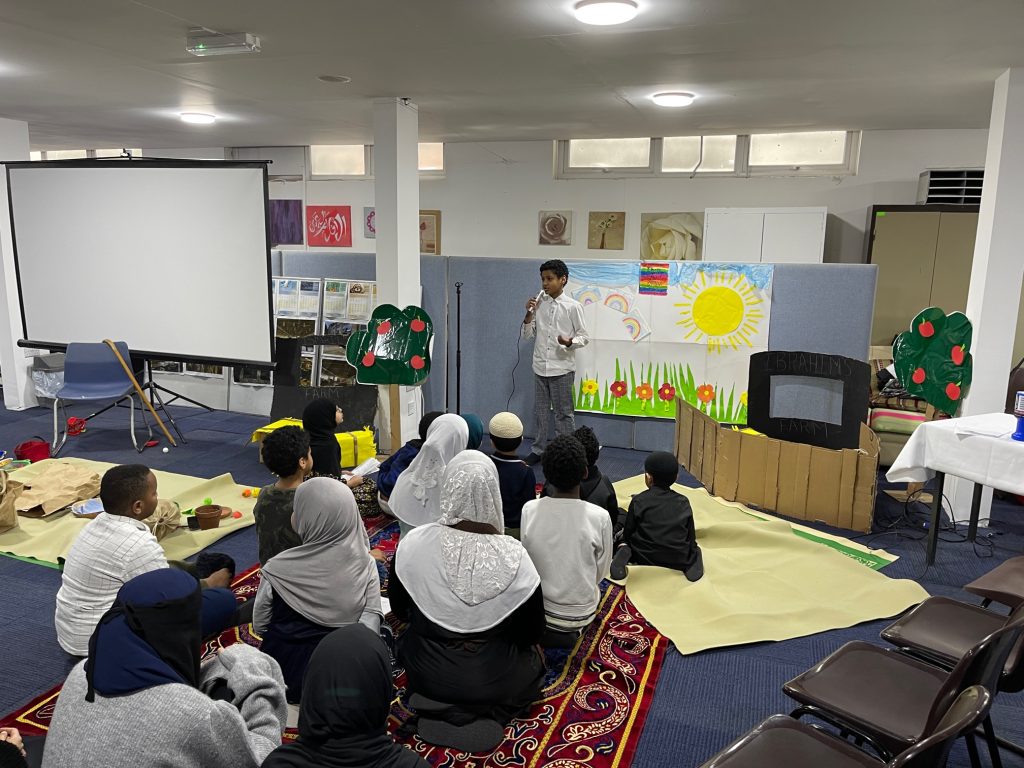
Mass migration from countries stuck in war and poverty create problems on a global scale. Through our local and international curricula, teachers and students discuss the integration of diverse groups of people and ways to avoid the growth of extremist ideologies.
Sustainability
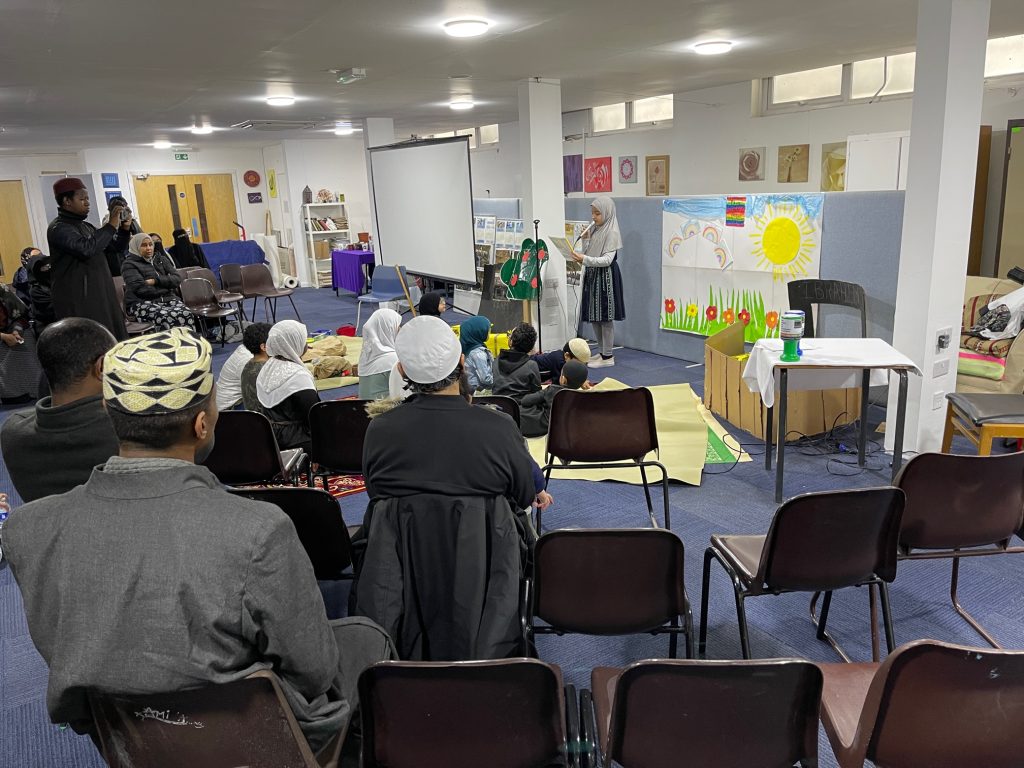
Our local and international curricula prioritize the investigation of sustainable goals which meet the needs of the present without compromising the lives of future generations face of environmental degradation, climate change, over consumption and population growth.
What’s required of you?
You do not need to be a qualified teacher to educate your child at home
Your child is not obliged to follow the National Curriculum or take national tests, but as a parent, you are required by law to ensure your child receives full-time education suitable to their age, ability and aptitude
Any special educational needs your child may have must be recognised
You do not need special permission from a school or local authority to educate your child at home, but you do need to notify the school in writing if you’re taking your child out of school
You will need to notify the local authority if you are removing your child from a special school
You do not need to observe school hours, days or terms
You do not need to have a fixed timetable, nor give formal lessons
There are no funds directly available from central government for parents who decide to educate their children at home
Some local authorities provide guidance for parents, including free National Curriculum materials
The role of your local authority
Local authorities can make informal enquiries of parents who are educating their children at home to establish that a suitable education is being provided. If your local authority makes an informal enquiry, you can provide evidence your child is receiving an efficient and suitable education by.
- Writing a report
- Providing samples of your child’s work
Inviting a local authority representative to your home, with or without your child being present - Meeting a local authority representative outside the home, with or without your child being present (representatives have no automatic right of access to your home)
- If it appears to the local authority that a child is not receiving a suitable education, then it might serve a school attendance order.
- Although you’re not legally required to inform your local authority when you decide to educate your child at home, it is helpful if you do so. If you are taking your child out of school to home-educate them, you need to inform the school in writing.
- It’s advisable, but not compulsory, to inform your local authority of any significant changes in your circumstances relevant to your child’s education, like a change of address.
https://www.oxfordhomeschooling.co.uk/homeschooling_info/home-education-homeschool-laws/
Why Our Supplementary Education Program
We have over 20 years of experience in Education, running schools and organisations and understand the needs and requirements of students, parents and the wider community.

Ability based support
We support all our students by their ability, not on age group. Covid has caused many gaps in students learning. Our aim is to find their baseline and fast track their learning
Small Cluster Groups
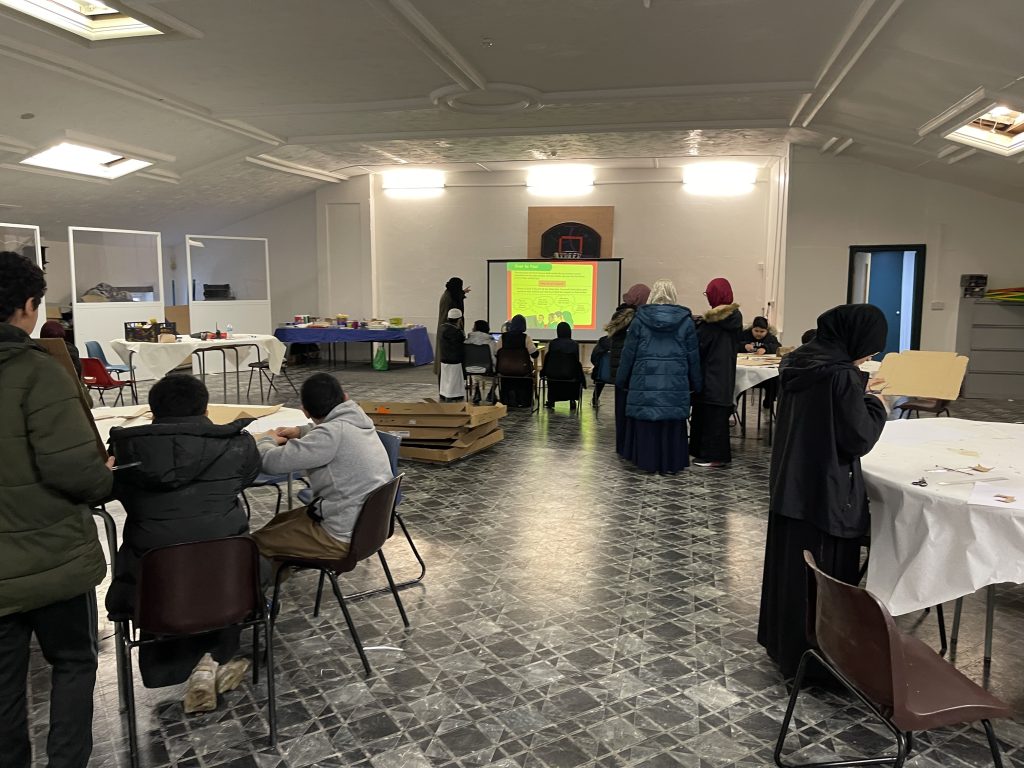
All our groups have less than 10 students meaning we can support your child far better than most schools that have, on average between 25-32 students.
Effective Communication
By providing parents access to their child’s learning, we ensure parents are aware of what their child is learning at all times.
Next Step
Notify the school. Deregistration from school. In England, when you want to remove a child from the school roll in order to home educate you to need to go through the deregistration process. This involves writing to the headteacher or proprietor of the school. Sample deregistration letter England. Here is a suggested brief de-registration letter for those deregistering a child from a school in England. It doesn’t need to be long or give any reasons for your decision or any details about your plans. If you have had a friendly relationship with the school you may like to add a note of thanks or give a reason for your decision, but this is not necessary.
No Delay in Removing Child’s Name from Register:
The 2006 Registration Regulations do not permit a delay in removing the child’s name from the school roll. Please read 12 (3) on pages 6-7 of the statutory regulations. In the case of pupils who are being taken out of school for the purpose of being home educated, the “ground for deletion” is met under paragraph 8(1)(d) when ” the proprietor has received written notification from the parent that the pupil is receiving education otherwise than at school.” It should be noted that the 2006 statutory regulations specify that these are the necessary and sufficient “ground for deletion” under 8(1)(d).
Paragraph 12(3) reads as follows: “(3) As to the contents of the admission register comprising particulars relating to a pupil whose name is to be deleted in accordance with regulation 8(1)(d), (e),(g),(i) or (m), the proprietor shall make a return to the local authority for every such pupil giving the full name of the pupil, the address of any parent with whom the pupil normally resides and the ground upon which their name is to be deleted from the admission register as soon as the ground for deletion is met in relation to that pupil, and in any event no later than deleting the pupil’s name from the register”.
Government Guidance says No Requirement to Obtain Agreement from School or Local Authority. “163. School and local authorities should not seek to prevent parents from educating their children outside the school system. There is no requirement for parents to obtain schools and local authorities agreement to educate their children at home”.
Unless your child is attending a Special Needs School there is no requirement for parents to contact the LA themselves. This should (in-law) be done by the school. If the school fails to inform the LA it is a problem for the LA and the school, it has no implications for the parents or child. Similarly, there is no advantage to be gained by informing the LA of your child’s deregistration. My advice, therefore, is not to inform the LA yourselves but rather to wait for the LA to contact you. If they do not do so then leave the matter as it stands. LAs have little if anything to offer you and there is no requirement for them to respond.
They will want to see some evidence that you intend/are home educating to your child’s age, ability and aptitude. They will probably ask to visit you, but you may refuse and provide evidence in the form of a report instead if you wish. If they contact you very early on, tell them you are still working out the best method to use and ask for 2 or 3 months to get organised
You need to do some research about how you and your child(ren) would like to learn together. In the UK you do not have to: follow the National Curriculum, do the same subjects your child did at school, plan everything out in advance, have a fixed schedule or work to the same timetable as schools.
Refusal to deregister. On rare occasions, schools are ill-informed regarding the law and refuse or delay deregistration. While illegal, this may not be too much of a burden providing deregistration does eventually occur. However, some schools insist that you go in to discuss the deregistration, which you may consider a burden or even harassment. Others even go as far as to insist that the child should continue attending school while approval is sought from the Local authority. This is completely illegal and unenforceable in law. I, therefore, recommend that a letter along the lines in the following template is sent out reminding the school of their obligations.
The law regarding registrations is contained in the Pupil Registration Regulations 2006 which has been amended several times.
Key Websites for Home Schooling/Education
- https://www.home-education.org.uk/faq-carers.html
- https://www.google.com/search?q=home+schooling+law+in+uk&oq=home+schooling+law+in+uk&aqs=chrome..69i57.25196j0j4&sourceid=chrome&ie=UTF-8
- https://www.theschoolrun.com/home-education-legislation-england
- https://www.gov.uk/home-education
- http://www.lawandparents.co.uk/regulations-surrounding-the-home-schooling-of-your-child.html
To register or to find out more information regarding our Supplementary Education / Home Schooling provisions please email us your query or complete the form